

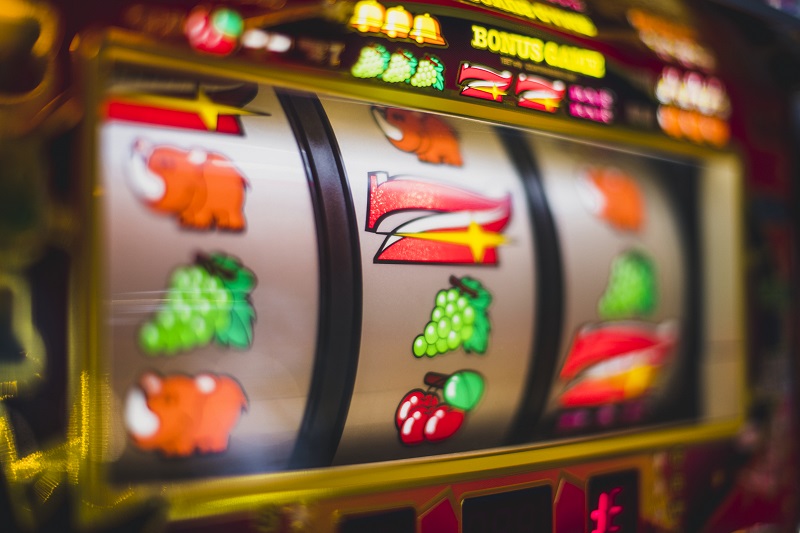
Analysis of Gas Station Slot Machines
This article provides an interesting overview of an emerging trend in the gambling industry – the placement of slot machines in gas stations, truck stops, and convenience stores. Here are some key takeaways:
Key Features of Gas Station Slots
- They operate similarly to traditional casino slots but incorporate more skill-based elements
- They’re designed for quick play during short stops
- They provide convenience for those who don’t live near casinos
- They exist in a legal gray area in many jurisdictions
Differences from Casino Slots
- Location accessibility (gas stations are more numerous than casinos)
- Lack of regulation compared to casino gambling
- No VIP programs or bonuses typically offered
- Limited information about game specifications (particularly RTP percentages)
- Use of generic, lesser-known game titles rather than popular casino games
Legal Status
- Only 15 US states currently permit gas station slot machines
- Hawaii and Utah prohibit all forms of gambling
- States with the most gas station slots include Illinois, Virginia, and New York
- They often operate under “skill game” classifications to avoid stricter gambling regulations
Potential Concerns
- Limited responsible gambling measures
- Lack of transparency about payout percentages
- Questions about fairness and regulation
- Potential accessibility issues for problem gamblers
This trend represents an interesting intersection of convenience, entertainment, and gambling regulation. While gas station slots offer accessibility, they also raise questions about consumer protection and appropriate oversight compared to traditional casino environments.
